
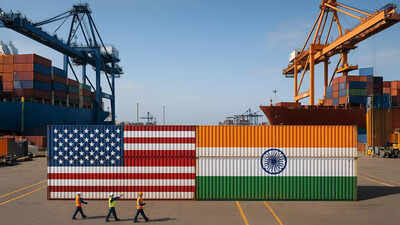
The fear surrounding the Sanctioning Russia Act of 2025 — a bill that would empower the US to impose tariffs of up to 500% on goods from countries (including their exporters) purchasing crude oil from Russia — has significantly impacted the Indian stock market.
SNPNEWS.IN News(Gurmail Kamboj): The Indian stock market has been trading in the red continuously since January 6, following US actions in Venezuela and clarifications from Reliance Industries Limited (RIL) regarding reports from Bloomberg. On January 8, the market experienced a sharp decline (“bloodbath”) due to discussions about the potential passage of the Sanctioning Russia Act of 2025, drafted by Republican Senator Lindsey Graham and Democratic Senator Richard Blumenthal.
In reality, the Sanctioning Russia Act aims to impose strict secondary sanctions on countries buying Russian oil, gas, uranium, or other energy products, in order to halt Russian funding during the Ukraine war. If passed, it would grant the US President authority to impose a minimum 500% tariff (duty) on all goods imported into the US from such countries. This could apply to all exports from those nations, primarily targeting China, India, and Brazil — major buyers of discounted Russian oil.
Read It: RIL Investors Lose $10 Billion, Modi Said “Sir, Can I Meet You?” – Trump
On January 7, 2026, Senator Graham announced that President Donald Trump had given the bill a “greenlight” (approval). The bill could come up for voting in Congress next week and enjoys strong bipartisan support from 84 senators. Although the bill has been under discussion previously, Trump’s approval has accelerated its progress. India already faces tariffs of up to 50% on certain goods due to Russian oil purchases, and this new bill could raise them to 500%.
Amid ongoing pressure from US actions in Venezuela, threats regarding Colombia, Cuba, Greenland (part of Denmark), Mexico, and Iran, the Indian stock market has seen continued selling by foreign institutional investors (FIIs), who offloaded ₹900 million worth of shares in January.
Between January 6-8, the NSE Nifty index fell from 26,250.30 to 25,876.85, recording a loss of 373.45 points or approximately 1.42%. Similarly, the BSE Sensex dropped from 85,439.62 to 84,180.96, resulting in a loss of 1,258.66 points or about 1.47%. By January 8, listed companies on the BSE had lost ₹8-9 lakh crore in market capitalization. The decline was primarily driven by heavy selling in the metal, IT, and energy sectors.